

December 20, 2024
Tax Reform and Mushroom Farming: What You Need to Know
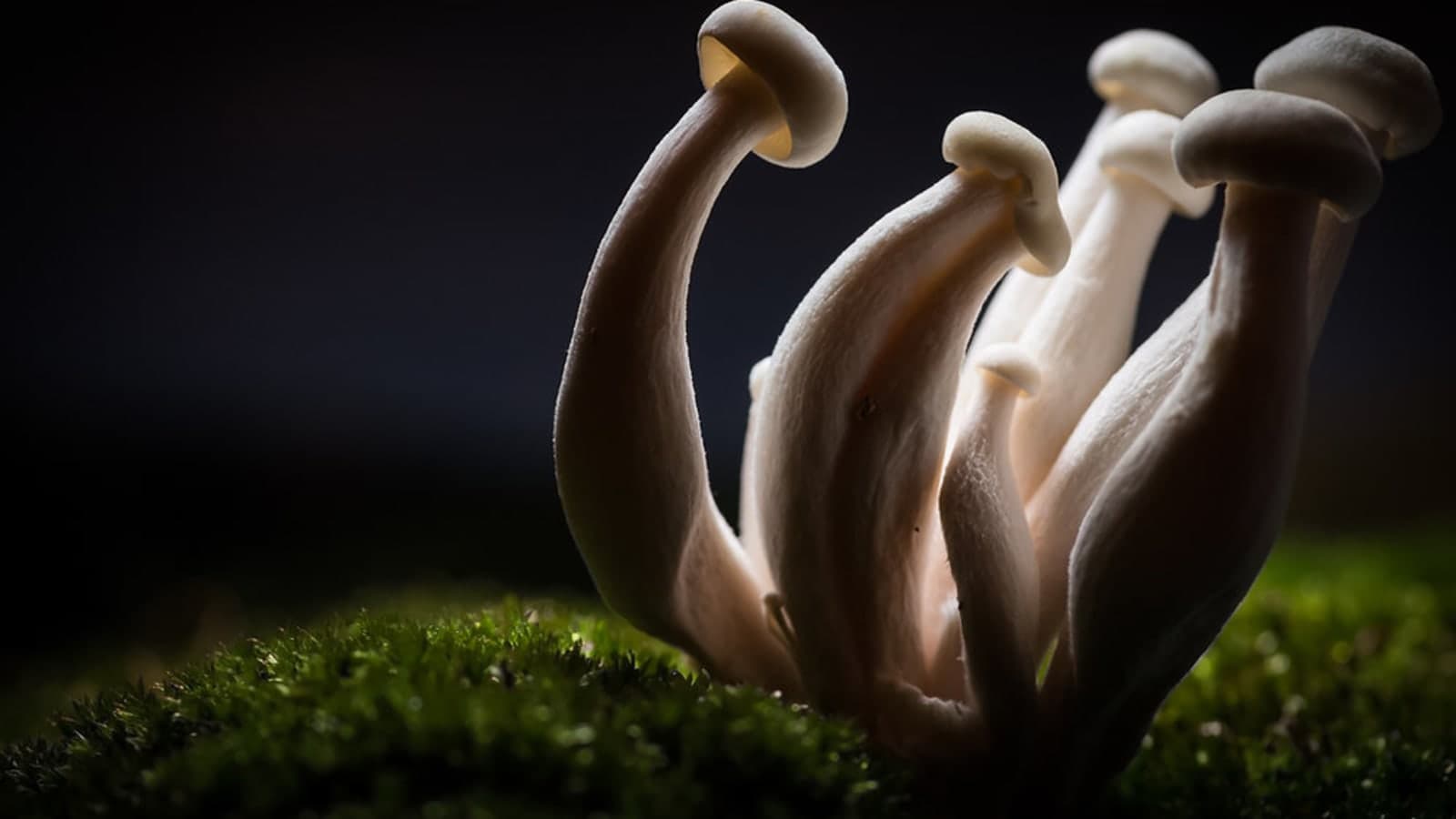
The recent approval of the Tax Reform text brought important advances for mushroom farming (fungicultura) in Brazil. After intense mobilization efforts with the National Congress, fresh, dried, and frozen mushrooms now benefit from tax breaks that can further boost the sector's development. In this article, we'll explain how the new rules impact you, the mushroom producer.
Exemption for small producers: Mushroom farmers with annual revenue below R$ 3.6 million will not be considered taxpayers under the IBS (Tax on Goods and Services) and CBS (Contribution on Goods and Services).
Reduced tax rates: Fresh, dried, and frozen mushrooms now enjoy a 60% reduction in IBS and CBS rates, making commercialization easier.
Presumed tax credits: Taxpayers who purchase mushrooms from exempt producers will be able to benefit from presumed tax credits, which are still pending regulation.
Mycelium included: Mycelium has also been included in the 60% rate reduction.
Not all mushroom farming products were benefited. Preserved and temporarily preserved mushrooms remain subject to full taxation (100% of the rates). It's essential to plan operations taking this difference into account.
The inclusion of mushrooms in the tax benefit regime represents a victory for mushroom farmers and can generate greater competitiveness and growth for the sector. It also paves the way for further regulatory advances in the future.
This outcome was achieved thanks to the joint efforts of mushroom farmers, industry associations, and political representatives. The sector's mobilization is an example of how collective action can positively influence legislation.
Written by João Paulo Goulart Clementino